
Downloads
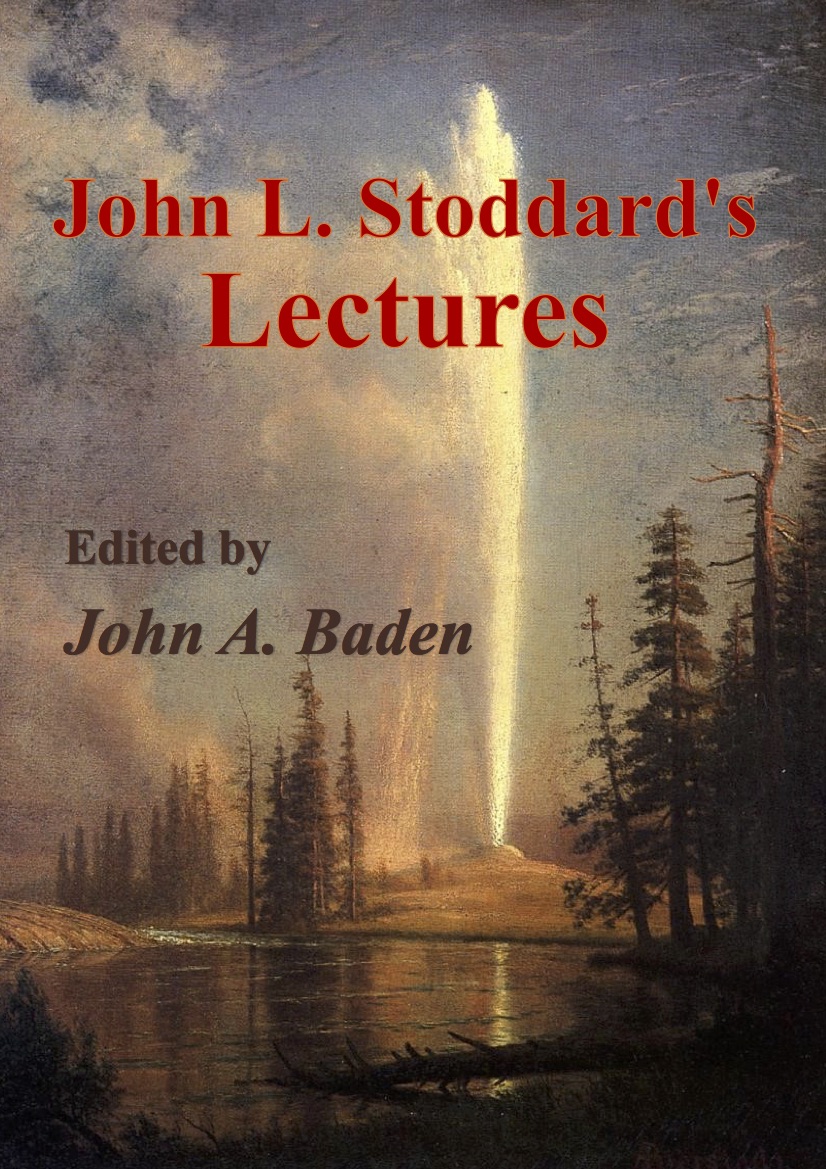
PDFJohn L. Stoddard's Lectures
Synopsis
People in Bozeman, Montana are remarkably fortunate to have Yellowstone Park in our back yard. We can reach a Park entrance in any season, usually in less than two hours. We owe a great deal to the far-sighted conservationists of the late 1800s. Given certain impending changes and challenges, how might we preserve Yellowstone's values and those of other parks and wild lands? It will be helpful to examine historical experiments with Yellowstone.
The Conservation Movement of the late 1800s to 1920 worked to preserve and protect America's wildlife, wild lands, and other natural resources. Leaders of that movement included nature writer John Burroughs, ethnographer George Bird Grinnell, geologist F. V. Hayden, ecologist George Perkins Marsh, and the more well known John Muir, Gifford Pinchot, John Wesley Powell, and T.R. Roosevelt.
Teddy Roosevelt founded the Boone and Crockett Club in 1887. It was the leading conservation organization of its era. Membership was a who’s who of patrician sportsmen-conservationists, e.g., G. B. Grinnell, Yellowstone Park geologist Arnold Hague, and Gifford Pinchot. Boone and Crockett worked for the expansion and protection of Yellowstone Park and led the creation of our National Wildlife Refuge system in 1903. They promoted conservation as an organizing principle of public policy.
More from the catalog

Inventivitate, Management și Inginerie, Ediția a II-a
March 10, 2019

Factorii determinanți ai investițiilor străine directe în România și Polonia 1990-2000
July 5, 2017
Wisdom of the Elders in Yellowstone National Park: Insights for Managing Parks and Wildlands
October 21, 2017

Un buget alternativ al UE
May 12, 2026